
By Simon Ben Gemmill
Overcoming Barriers to Global Water Access (Or: Why Barnaby Maples Built a Flying Filtration Plant)
Following his near-fatal misadventure in the Sun-Scorched Basin, Barnaby Maples decided he was done dropping temporary band-aids onto systemic crises. Clean water, he realized, wasn’t just missing because a well dried up; it was blocked by a network of systemic barriers that required far more than a single drone delivery to solve.
So, Barnaby did what any mildly unhinged, heavy-payload logistics consultant would do: he declared war on the global water crisis using custom-built drone rigs and an absurdly complex white-board strategy.
The Three Walls of Water Scarcity
Working alongside Dr. Aris and local community leaders, Barnaby mapped out why over two billion people worldwide still lack safely managed drinking water. It wasn’t just a lack of rain—it was a battle against three distinct barriers:
- The Infrastructure Gap: Mountainous, roadless, or flood-prone terrain makes building traditional piped networks or trucking heavy water tanks financially impossible for remote villages.
- Economic & Tariff Barriers:High upfront capital costs for purification machinery leave isolated communities reliant on untreated surface water.
- Climate & Conflict Vulnerabilities: Flash floods, mudslides, and regional instability routinely destroy stationary pump houses, resetting years of progress in an afternoon.
Operation: Sky-Flow Pipeline
To overcome these hurdles, Barnaby unveiled his most ambitious engineering project yet: the Aero-Modular Water Hub. Instead of trying to build massive, static filtration plants on unstable ground, Barnaby decentralized the entire process.
His heavy-lift Cargo-Casters were retrofitted with modular, rapid-deploy units that tackled each barrier directly:
| Barrier | Traditional Bottleneck | Barnaby’s Airborne Solution | Systemic Impact |
| Terrain / Access | Mudslides block water trucks for months. | Heavy-Lift Winch Swarms: Drones drop self-contained gravity filtration towers into roadless valleys. | Zero reliance on ground roads or heavy machinery transport. |
| Power Outages | Local grids fail, shutting down electric pumps. | Airdropped Solar-Kinetic Kits: Plug-and-play solar panels and micro-turbines delivered in weather-proof crates. | 24/7 autonomous power for community filtration. |
| Maintenance & Parts | Broken pumps sit idle for years waiting for spare parts. | On-Demand Drone Supply Chain: Automated drone routes deliver replacement ceramic filters and seals within hours of an app alert. | Zero long-term operational downtime for remote wells. |
Beyond the Quick Fix
Barnaby’s drone fleet didn’t just deliver hardware; it changed how the surrounding outposts managed their water security. By dropping modular testing kits and simple solar-powered UV purifiers, he empowered local caretakers to monitor water quality independently.
Women and children, who previously spent hours each day trekking through dangerous ravines to haul heavy jerrycans from distant streams, suddenly had clean, running water at community hubs in the middle of their villages.
The Real Treasure Map
Sitting on top of a newly deployed filtration crate, watching a drone swoop low over the valley to deliver a fresh batch of mineral testing strips, Barnaby folded up his old parchment map of the Sunken Well of the Desert Kings.
He hadn’t found ancient gold coins, nor had he claimed a historic reward. But as he looked at a village full of healthy, thriving people who no longer feared drinking from their own wells, he knew he had finally cracked the ultimate puzzle: the most valuable treasure on Earth isn’t buried under the ground—it’s the water flowing cleanly above it.
Access to safe and reliable water should be a basic part of everyday life. Yet around the world, millions of people still face difficulties obtaining water that is safe, affordable and available when they need it.
The challenge is not simply a shortage of water. Geography, infrastructure, climate, governance, financing, population growth and local circumstances can all stand between communities and a dependable water supply.
Understanding these barriers is an important first step towards overcoming them.
Geography Can Make Water Difficult to Reach
Some communities are located far from rivers, lakes, reservoirs or reliable groundwater. Others live in areas where rainfall is highly seasonal or unpredictable.
Remote communities can face particularly difficult circumstances. Even when a suitable water source exists, transporting equipment, constructing infrastructure and maintaining systems can be expensive and technically challenging.
In mountainous, desert and isolated rural areas, conventional water infrastructure may not always be practical.
Solutions therefore need to be adapted to local geography rather than assuming that one approach will work everywhere.
Infrastructure Is Essential
Finding water is only part of the challenge. Communities also need systems capable of collecting, treating, storing and distributing it.
Pumps can fail. Pipes can leak. Treatment systems require maintenance. Storage tanks need inspection and cleaning.
A water project that works when first constructed can eventually stop providing reliable water if there is no plan for maintenance and replacement.
Sustainable water access therefore depends on thinking beyond construction. Communities need appropriate technology, spare parts, technical knowledge and resources to keep systems operating.
The Challenge of Water Quality
Water can be physically available but still unsafe to drink.
Contamination can occur through microorganisms, chemicals, agricultural runoff, inadequate sanitation or poorly protected water sources.
Water-quality monitoring and appropriate treatment are therefore important parts of improving water access.
Providing a water source without considering its safety can leave communities exposed to continued health risks.
Climate Change Adds Pressure
Changing rainfall patterns, droughts, floods and extreme weather can place additional pressure on water systems.
Drought can reduce available supplies, while flooding can contaminate water sources and damage infrastructure.
Communities increasingly need water systems that can cope with changing environmental conditions.
This can include protecting water sources, improving storage, reducing leakage, monitoring supplies and developing contingency plans for emergencies.
Funding Remains a Major Barrier
Water infrastructure requires investment.
Wells, pumps, treatment plants, pipelines, reservoirs and storage systems all have costs associated with construction, operation and maintenance.
However, funding a water project is not simply about paying for its initial construction.
Long-term financing is important because equipment eventually needs repair or replacement. Training and monitoring also require resources.
A sustainable approach should therefore consider the full life cycle of a water system rather than focusing only on the initial project cost.
Governance and Local Decision-Making
Water projects operate within legal and institutional systems.
Governments and local authorities may be responsible for regulation, infrastructure, water quality and public services. Communities also have important knowledge about local conditions and water needs.
Projects are more likely to remain useful when the people who depend on them have an appropriate role in planning, management and decision-making.
Local participation can help identify practical problems that may otherwise be overlooked.
Politics Can Affect Water Access
Water infrastructure can cross administrative boundaries and sometimes national borders.
Rivers, groundwater systems and watersheds do not necessarily follow political boundaries.
This can make cooperation important when several communities or countries depend on the same water resources.
Water access can therefore require collaboration between local communities, governments, international organisations, engineers and environmental specialists.
Technology Can Open New Possibilities
Innovation is creating new ways to address water challenges.
Solar-powered pumps can provide electricity for water systems in places where grid connections are unreliable or unavailable.
Remote monitoring can help identify equipment problems.
Improved filtration and treatment technologies can make some water sources safer.
Rainwater harvesting can provide an additional source of water where rainfall patterns make it practical.
Desalination can create freshwater from seawater, although its energy requirements, cost and environmental considerations need to be carefully assessed.
The important principle is not simply to use the newest technology. It is to select technology that is appropriate, affordable and maintainable in the community where it will be used.
Digital Tools Can Help
Modern technology can also improve how water systems are managed.
Sensors can monitor water levels and equipment performance. Digital records can help organisations track repairs and maintenance. Mapping technology can help identify infrastructure and water sources.
Better information can allow problems to be identified before a small fault becomes a major failure.
Technology, however, should support people rather than replace local knowledge and responsibility.
Education and Skills Matter
A water system requires people who understand how to operate and maintain it.
Training local technicians can reduce dependence on distant specialists and can make repairs faster.
Education can also help communities understand water safety, sanitation, hygiene and responsible water use.
Building local skills is therefore an important part of building lasting water infrastructure.
Partnerships Can Multiply Impact
No single organisation can solve the global water challenge alone.
Governments can provide infrastructure and regulation. Engineers can develop technical solutions. Communities provide local knowledge. Charities and international organisations can support projects and capacity building. Businesses can contribute technology, expertise and investment.
Partnerships can bring these different strengths together.
The most effective projects should nevertheless remain focused on the needs and priorities of the communities they are intended to serve.
Making Every Water Project Sustainable
A successful project should ask several questions before construction begins:
- Is the water source reliable?
- Is the water safe?
- Who will maintain the equipment?
- Are spare parts available?
- Who will pay for repairs?
- Can local people operate the system?
- What happens during drought or flooding?
- How will water quality be monitored?
- Does the system meet local regulations?
- What happens when the original equipment reaches the end of its useful life?
These questions can help turn a short-term project into a lasting water service.
There Is No Single Solution
Global water access is not one problem with one solution.
A remote rural village may need a very different system from a rapidly growing city. A drought-prone region may need extensive storage, while a coastal community might consider desalination alongside other sources.
Solutions must therefore be based on local geography, available resources, environmental conditions and community needs.
From Barriers to Opportunities
The barriers to global water access are substantial, but they are not necessarily permanent.
Improved planning, appropriate infrastructure, responsible investment, scientific knowledge, local skills and technological innovation can all contribute to progress.
The goal should be more than installing individual water points. It should be creating reliable systems that continue working years after the original project has been completed.
A Shared Responsibility
Clean and reliable water affects everyone.
It affects health, education, agriculture, employment, food preparation, sanitation and the ability of communities to develop.
Overcoming the barriers requires long-term commitment rather than short-term attention.
Every community will have different circumstances, but the underlying objective can remain the same: safe and dependable water that people can access when they need it.
Conclusion
Global water access is a complex challenge involving geography, infrastructure, finance, governance, environmental conditions and human capacity.
There are no simple solutions, but there are many opportunities for progress.
Appropriate technology can make difficult locations more accessible. Better infrastructure can improve reliability. Local training can strengthen maintenance. Responsible investment can support long-term operation. Cooperation can help communities manage shared water resources.
Most importantly, water projects should be designed around people.
Overcoming the barriers to global water access is not simply about finding more water. It is about building the systems, knowledge, partnerships and long-term commitment needed to make safe water reliably available to the communities that need it.
Simon Ben Gemmill
Statoshi.co.uk
Air-Frieght Communities Featured Gound Support Relief Sea-Freight Support water
- Category 1 (7)
- Relief (6)
- Category 2 (6)
- Category 3 (7)
- Water (6)
- Category 4 (8)
- Communities (6)
- Uncategorized (6)
- Calender (6)
Author Simon Gemmill Photos Unsplashed Credit.

-
Overcoming Barriers to Global Water Access
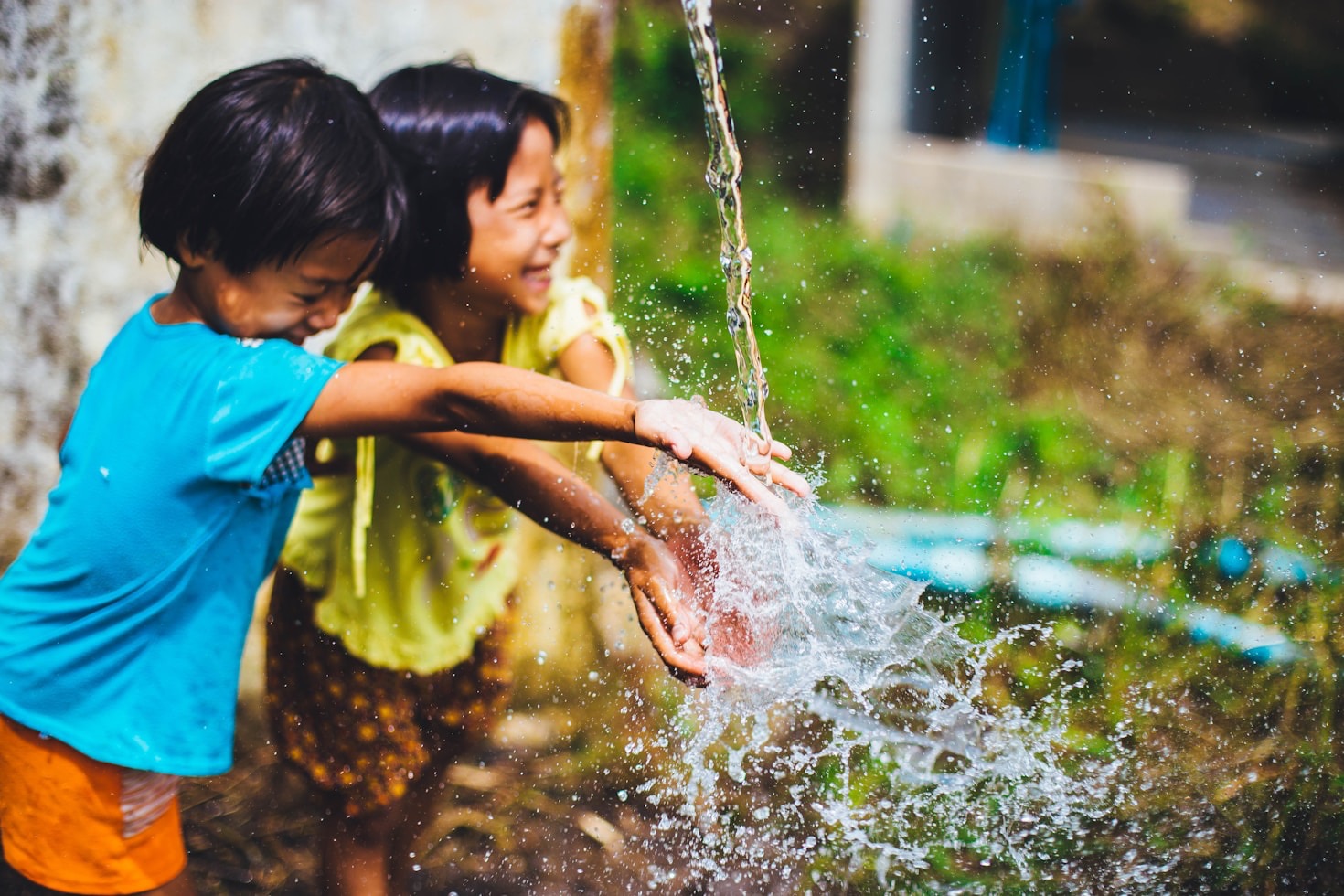
Access to safe and reliable water should be a basic part of everyday life. Yet around the world, millions of people still face difficulties obtaining water that is safe, affordable and available when they need it. The challenge is not simply a shortage of water. Geography, infrastructure, climate, governance, financing, population growth and local circumstances…
Leave a Reply