
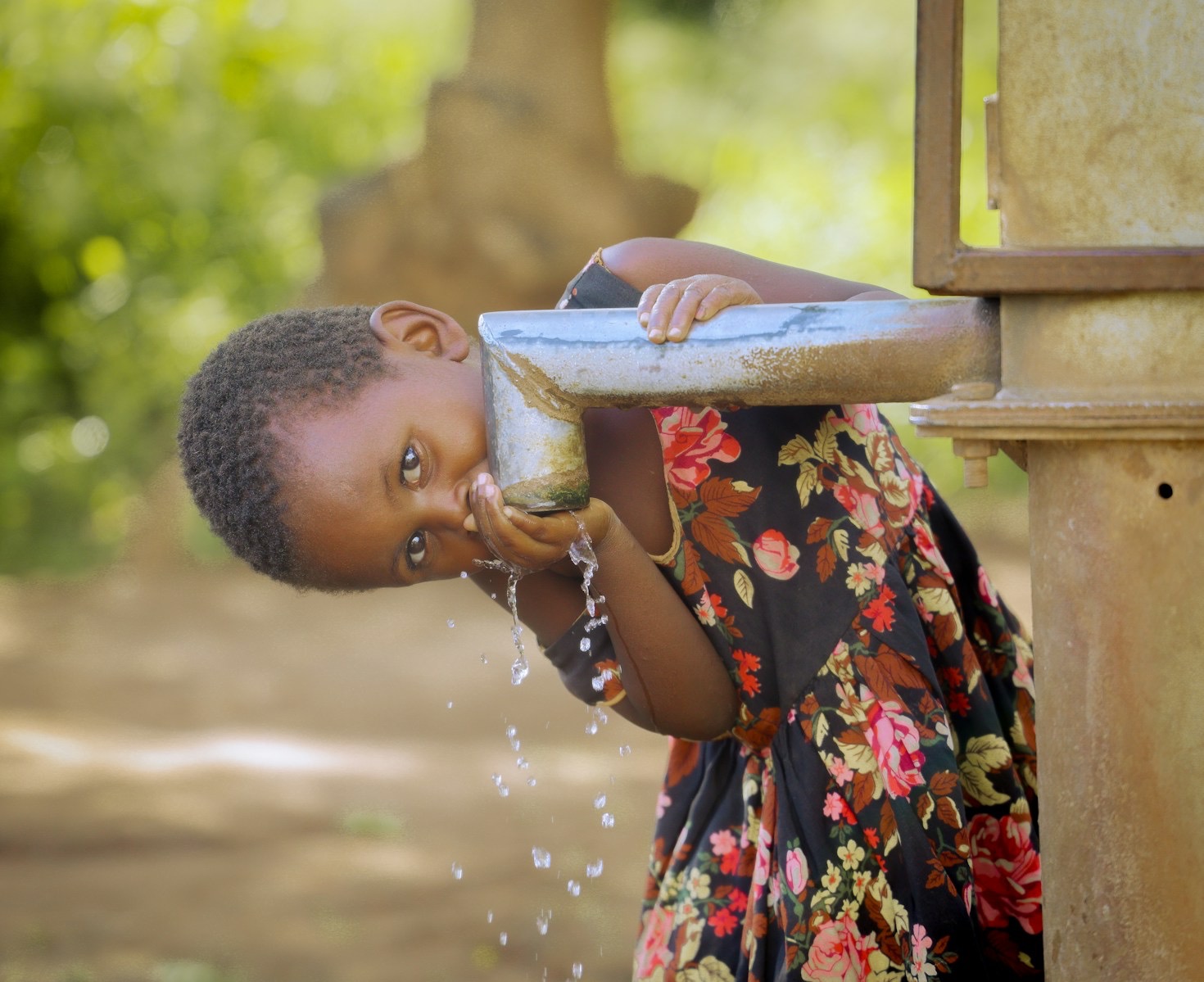
Reaching Every Single Person with Water
Access to safe, clean water is one of the most fundamental needs of human life. Yet for many people around the world, reliable access to drinking water remains difficult. Reaching Every Single Person with Water is about recognising water as an essential part of everyday life and exploring practical ways communities, organisations and individuals can help make safe drinking water more accessible. From improving local water infrastructure to supporting responsible water distribution, small actions can contribute to a much larger goal: ensuring that nobody is overlooked.
“Water connects every life. When we protect and share it responsibly, we help create a healthier future for everyone.”
Why Water Matters
Water is essential for drinking, cooking, hygiene, sanitation, agriculture and countless other aspects of daily life. People need dependable access to safe water not only to stay hydrated but also to maintain healthy homes, schools, workplaces and communities.
Reaching everyone requires more than simply having water available somewhere. Water needs to be accessible to the people who need it, when they need it, and in a form that is safe to use. This can involve investment in pipes, treatment facilities, storage systems, community water points, transport and maintenance.
The challenge can be particularly significant in remote communities and areas where infrastructure is limited. A water source may exist, but distance, damaged infrastructure, contamination, cost or unreliable supply can prevent people from benefiting from it.
Making Water More Accessible
A successful approach begins with understanding local needs. Different communities face different challenges, so solutions should be practical and appropriate for the people they are intended to serve.
Possible approaches include:
- Improving local drinking-water infrastructure.
- Maintaining and repairing existing water systems.
- Providing safe water storage facilities.
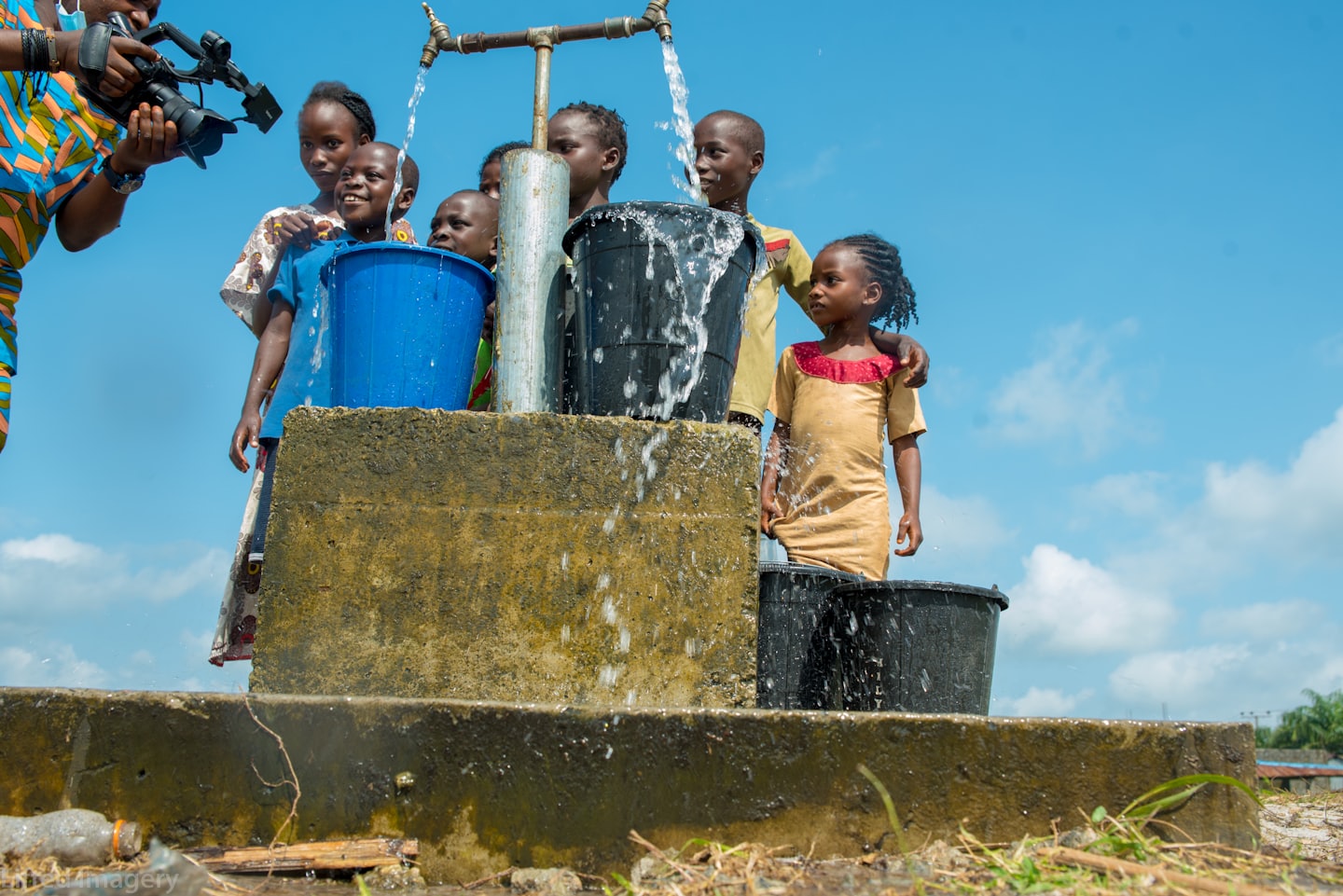
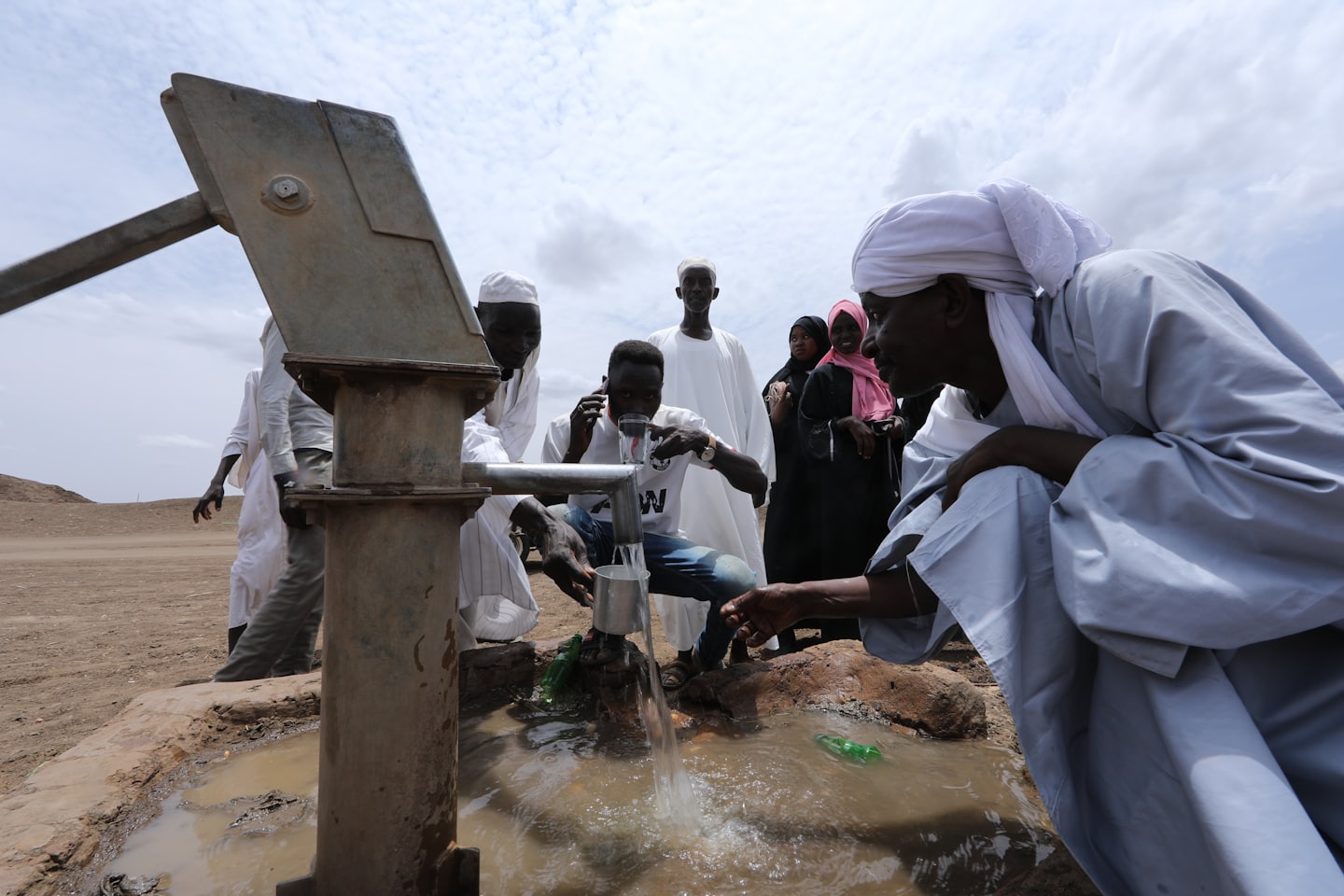
- Supporting community water points where appropriate.
- Reducing contamination through effective treatment and sanitation.
- Encouraging responsible use and conservation of water.
- Supporting schools and community organisations with reliable drinking-water facilities.
- Developing emergency water-distribution plans for times of crisis.
- Working with local communities rather than making decisions without their involvement.
Technology can also play an important role. Monitoring systems can help identify problems with supply, while modern treatment and filtration technologies can improve water quality. Better planning and communication can help organisations respond more quickly when communities experience shortages or emergencies.
Reaching People Where They Are
The idea of reaching every single person means thinking beyond major towns and cities. People live in villages, rural communities, temporary settlements, islands, remote areas and places where infrastructure can be difficult to build or maintain.
That means water programmes need to consider transportation, geography, climate, population changes and long-term maintenance.
It is also important to remember that providing a water system is only part of the solution. Infrastructure must continue working after it has been installed. Communities need appropriate resources, training and maintenance arrangements so that water services remain dependable over time.
Water, Responsibility and Sustainability
Providing more water does not mean using unlimited amounts of water. Responsible water management is essential.
Everyone has a role in protecting water resources. Households can reduce unnecessary consumption, businesses can improve efficiency, and communities can protect rivers, lakes, groundwater and other sources from pollution.
Sustainable water planning also means considering future generations. A project that provides water today but damages the source or cannot be maintained tomorrow is not a complete solution.
The goal should therefore be safe, reliable and sustainable access to water.
Working Together
No single person or organisation can solve every water-access challenge alone. Governments, local authorities, charities, businesses, engineers, scientists, community groups and individuals can all contribute in different ways.
The most effective projects should listen to the communities they are designed to support. Local knowledge can identify problems that may not be obvious from outside, while community participation can help create solutions that are practical and sustainable.
Businesses can also contribute through responsible procurement, infrastructure investment and partnerships. Schools and community groups can raise awareness about water conservation and hygiene. Individuals can support credible organisations working on water, sanitation and infrastructure projects.
A Vision for the Future
Imagine a future in which access to safe drinking water is considered when communities plan new homes, schools, hospitals, businesses and public spaces. Imagine water infrastructure designed not only for today’s population but also for tomorrow’s needs.
Reaching every person with water is an ambitious objective, but ambitious objectives can encourage practical progress. Every repaired pipe, protected water source, improved treatment system, accessible drinking-water point and informed community can represent another step forward.
The important principle is simple: water should be treated as a shared responsibility and an essential part of human wellbeing.
Wrapping Up with Key Insights
Reaching every single person with safe water requires more than supplying water from one location to another. It requires reliable infrastructure, responsible management, community involvement, sustainability and long-term planning. The challenge is complex, but progress can begin with practical actions.
Water connects communities and supports almost every part of daily life. By protecting water resources, improving access and working together on sustainable solutions, we can help build a future in which more people have dependable access to the clean water they need.
Every person matters. Every community matters. And every drop of safe water can make a difference.
Leave a Reply